Harmonized UAS techniques!

Α 7 days training school that was held in Reykjavik, Iceland (September 2 – 8) and supported under the EU project HARMONIOUS, offered the opportunity for practicing and discussing multiple novel UAS applications in Environmental Monitoring. With the participation of Anastasia (Tsavdaridou) it seems we are confident that our group could adopt some of the tricks discussed!

 

New paper: Conserving European biodiversity across realms

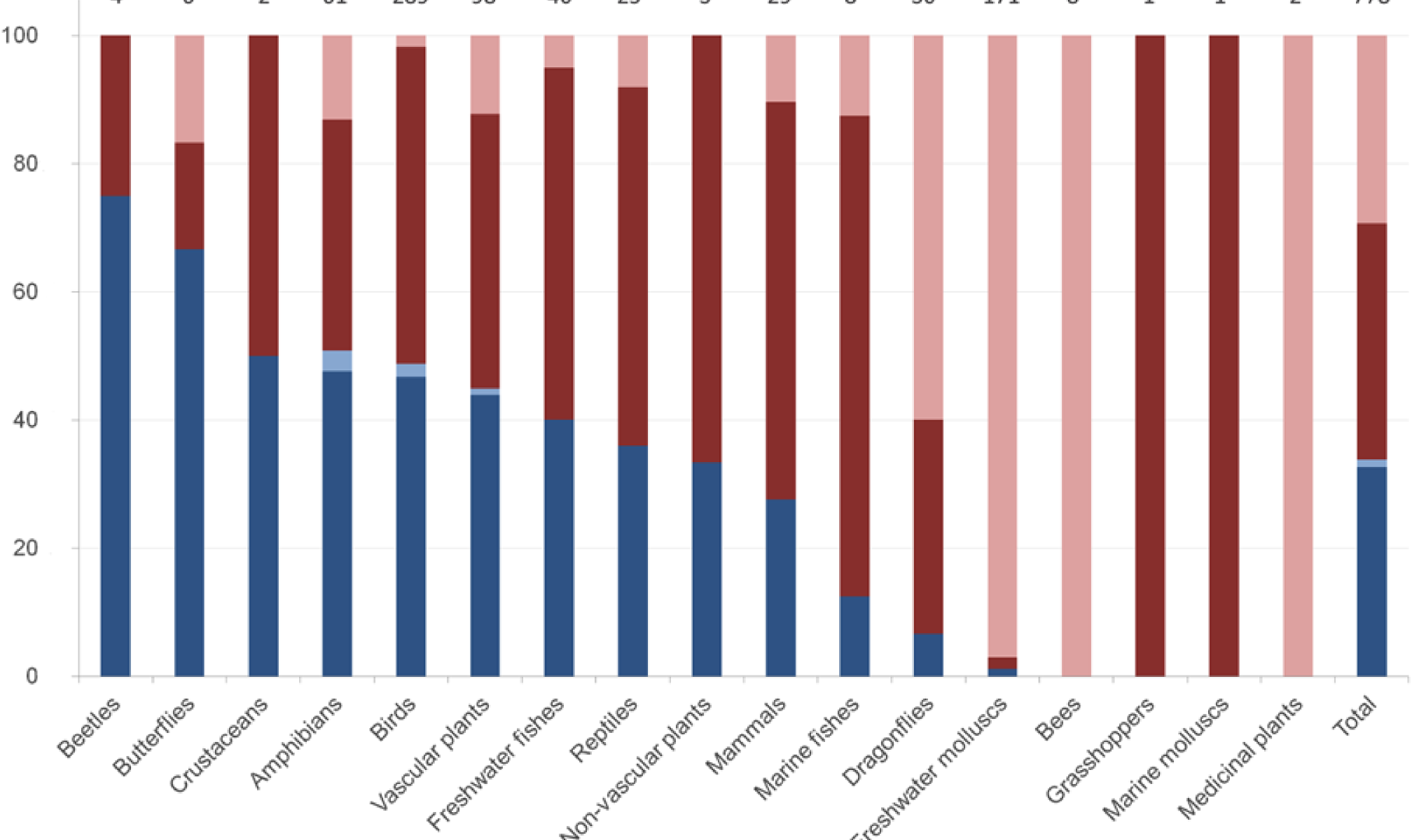
Identifying and quantifying links among ecosystems, i.e. terrestrial, freshwater and marine, is necessary for the uptake of integrated conservation actions across realms. In this new paper, published in Conservation Letters, we found that less than a third of “multi-realm” species benefited from projects that included conservation actions across multiple realms. The paper, based upon work from COST Action 15121 ‘Advancing marine conservation in the European and contiguous seas (MarCons), highlighted the necessity to reinforce integrated conservation efforts across realms in order to achieve the EU’s conservation target of halting biodiversity loss by 2020 and effectively protect multi-realm species.

Torre Guaceto: MPA Marine turtle working group

Torre Guaceto, June 13-14, Italy

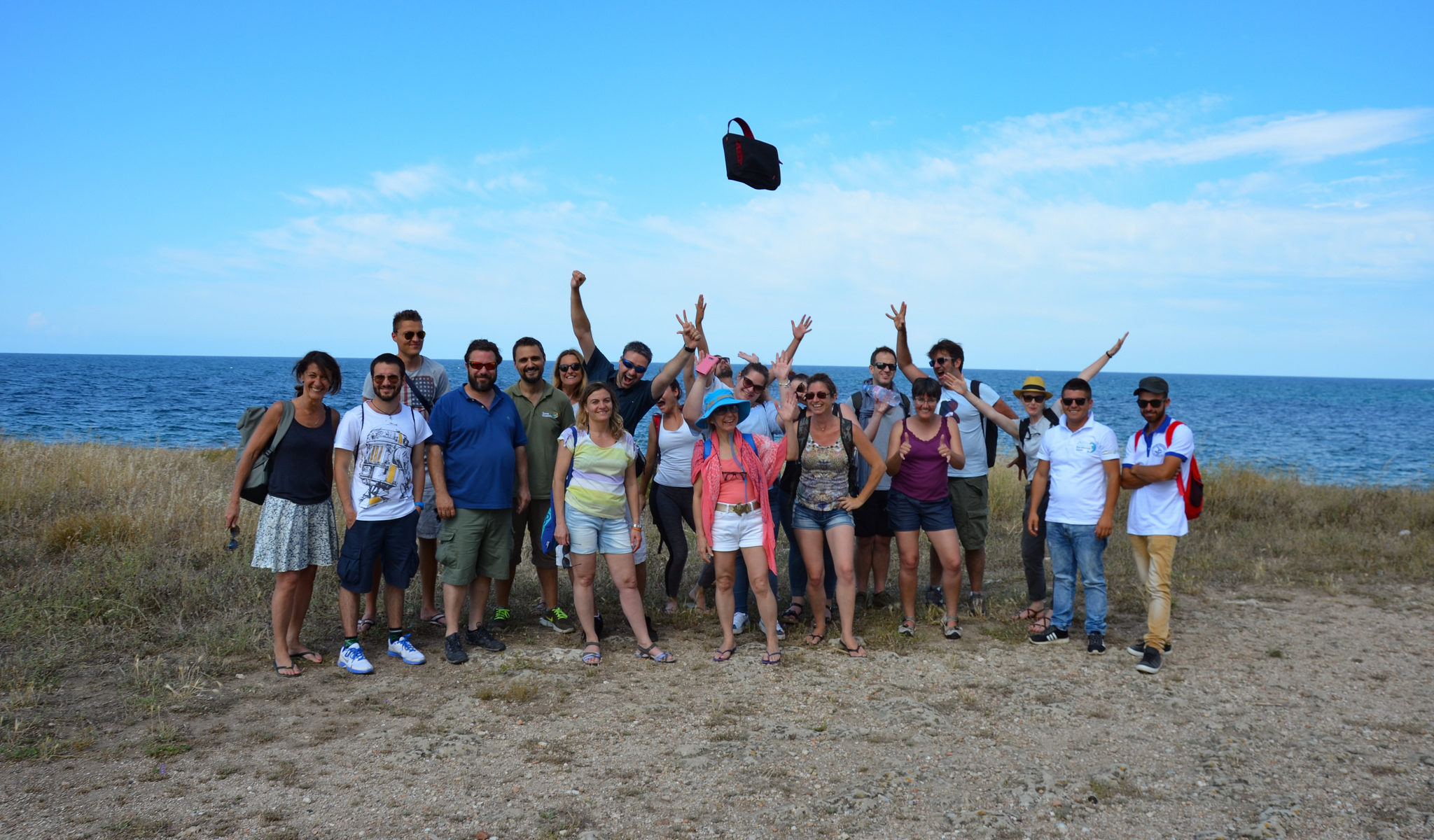
Focusing on the development of a Methodological guide for the monitoring of Marine Turtles in MPAs, a 2-days meeting, organized by MedPAN under the support of MAVA Foundation, was held in Torre Guaceto MPA, Italy. A positive step towards supporting conservation, fostering capacity of MPAs and overcoming the huge obstacle of data sharing was made.

New paper: Biological Invasions in Conservation Planning: A Global Systematic Review

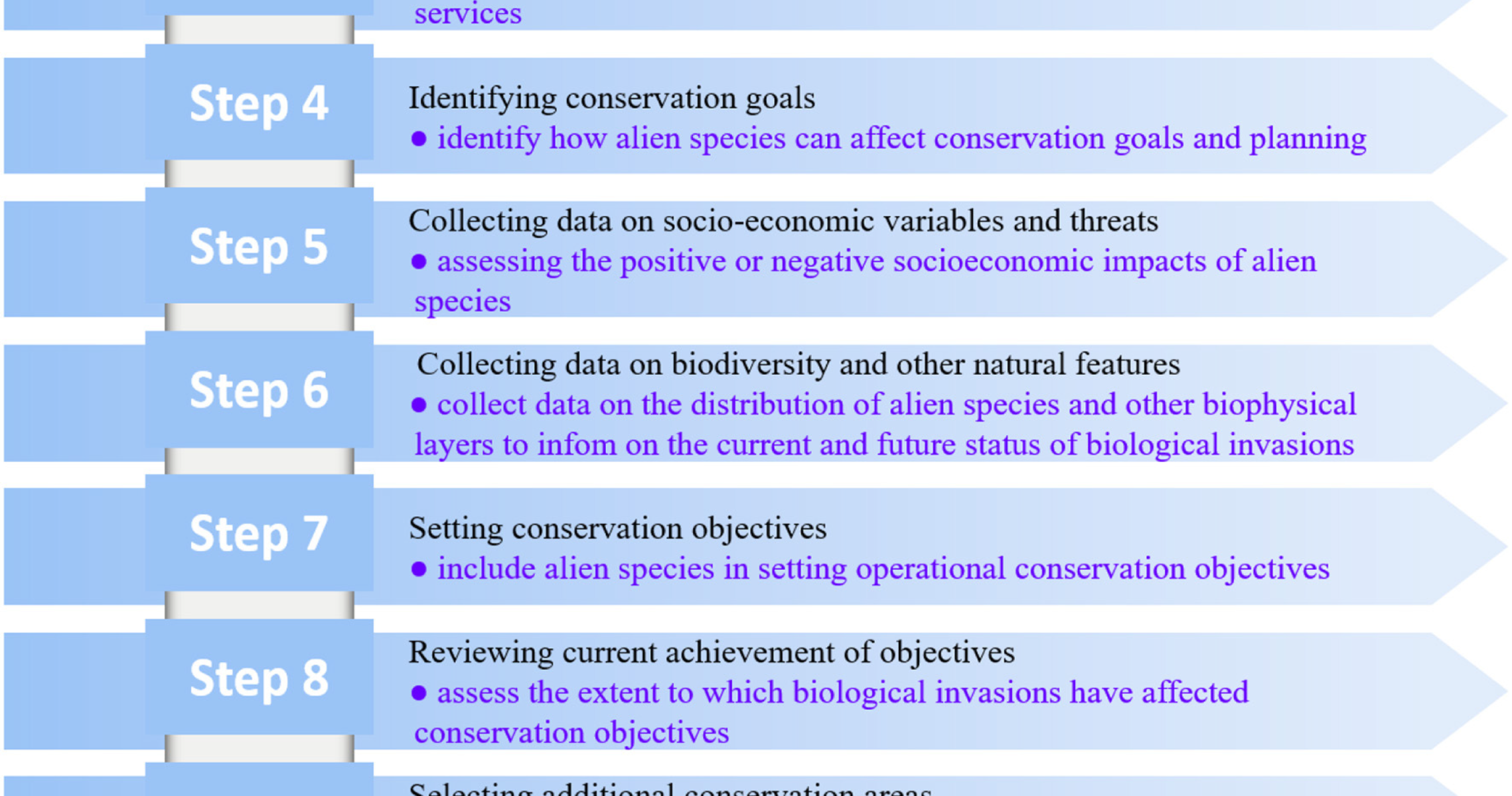
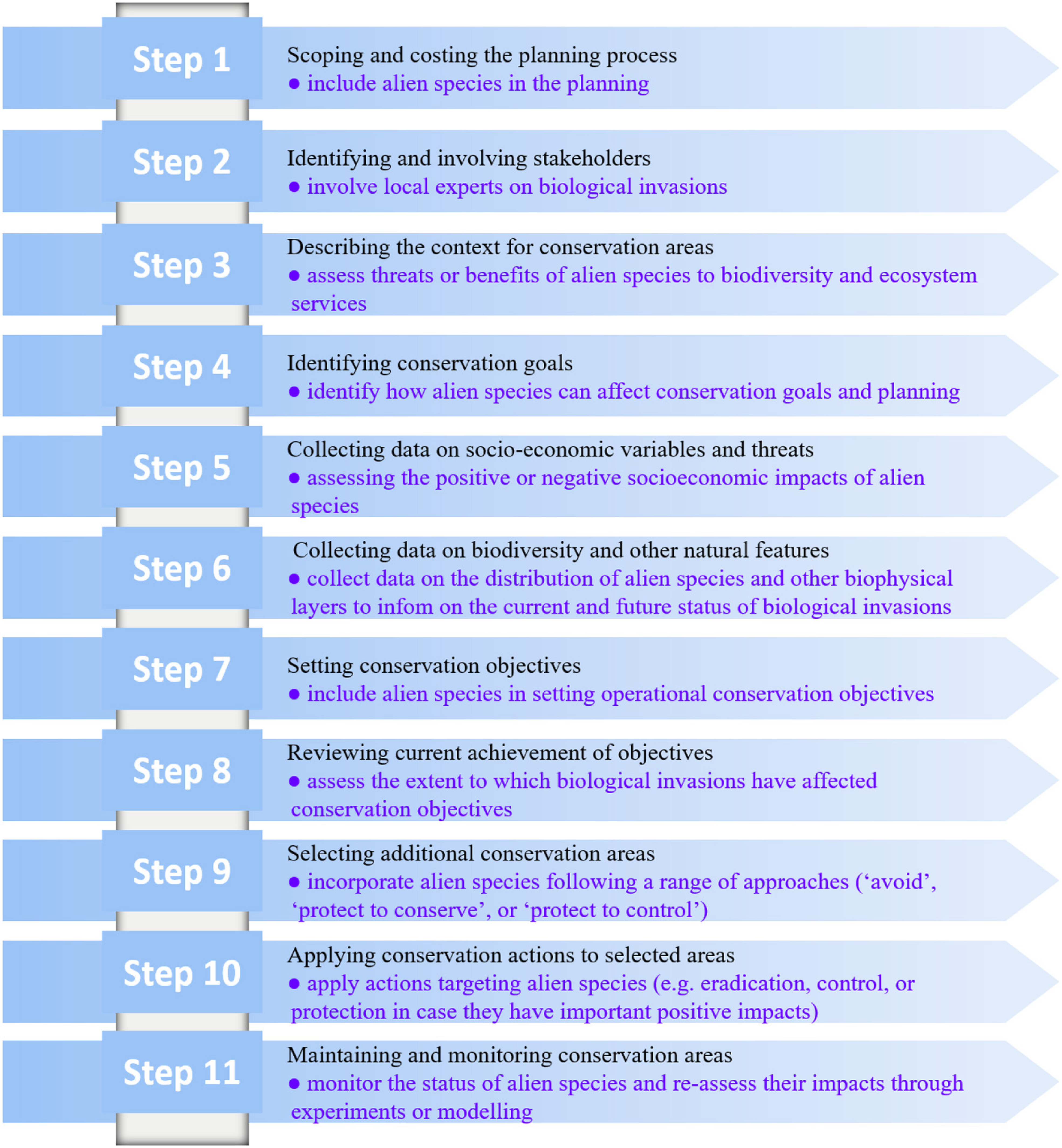
Biological invasions threaten biodiversity, requiring substantial conservation and management efforts. In this new paper, published in Frontiers in Marine Science, we examined how the conservation planning literature addresses biological invasions and if planning in the marine environment could benefit from experiences in the freshwater and terrestrial systems. The paper is based upon work from COST Action 15121 ‘Advancing marine conservation in the European and contiguous seas (MarCons).

Workshop in Rome

Rome, April 16-18, Italy

“Threat “Syndromes”: assessment of threats in the marine Natura 2000 sites – a pan european study”: The basic goal of this workshop co-organized by Simonetta (Fraschetti) and Antonios was to consolidate a network of scientists largely involved in the conservation and management of European and contiguous seas, to develop standard classifications of threats affecting marine ecosystems.

Hosted by CONISMA- Consorzio Nazionale Interuniversitario per le Scienze del Mare (the National Inter-University Consortium for Marine Sciences).

Part of the group during one of our night walks -Gil Rilov, Stany (Stanislao Bevilacqua), Vanessa Stelzenmüller, Carlo Pipitone and Elena Gissi

Workshop in Haifa

Israel Oceanographic and Limnological Research Institute (IOLR), March 19-21, 2018

“Detecting climate change hotspots and potential refugia at different scales to advance marine conservation”: a workshop hosted by Gil Rilov in Haifa. Hot weather, good food and some great ideas.

Training school: Cumulative Effects Analysis applied to marine ecosystems

Hamburg, February 20 – 22, 2018

Organized by MarCons, the basic objective of this training school were to teach participants, through a mixture of lectures and hand-on sessions, how specific methodologies can be implemented to conduct risk based cumulative effects assessments at various spatial scales in European and adjacent seas. The methods that was targeted were iMSE risk assessment tool, bow-tie analysis and Bayesian believe networks, while some considerations about methods to integrate climate change into CEAs were discussed.

New paper: A risk-based approach to cumulative effect assessments for marine management

Cumulative effect assessments (CEAs) are needed to inform environmental policy and guide ecosystem-based management for marine ecosystems. This new paper, published in Science of the Total Environment, is based upon work from COST Action 15121 ‘Advancing marine conservation in the European and contiguous seas (MarCons). We provide guidance to operationalize a risk-based approach to CEAs by describing for each step guiding principles and desired outcomes, scientific challenges and practical solutions.

New paper: The sociology of sea turtle research: evidence on a global expansion of co‑authorship networks

The transfer of scientific knowledge and results represents a critical step towards enhancing conservation efficiency. In our new paper, published in Biodiversity and Conservation, we demonstrated that sea turtle scientific collaboration networks are getting larger and spreading constantly over different countries through time, a factor that might have contributed to the encouraging evidence on sea turtle population trends observed globally.

read more: https://doi.org/10.1007/s10531-018-1506-1

New paper: The efficiency of phenological shifts as an adaptive response against climate change: a case study of loggerhead sea turtles (Caretta caretta) in the Mediterranean

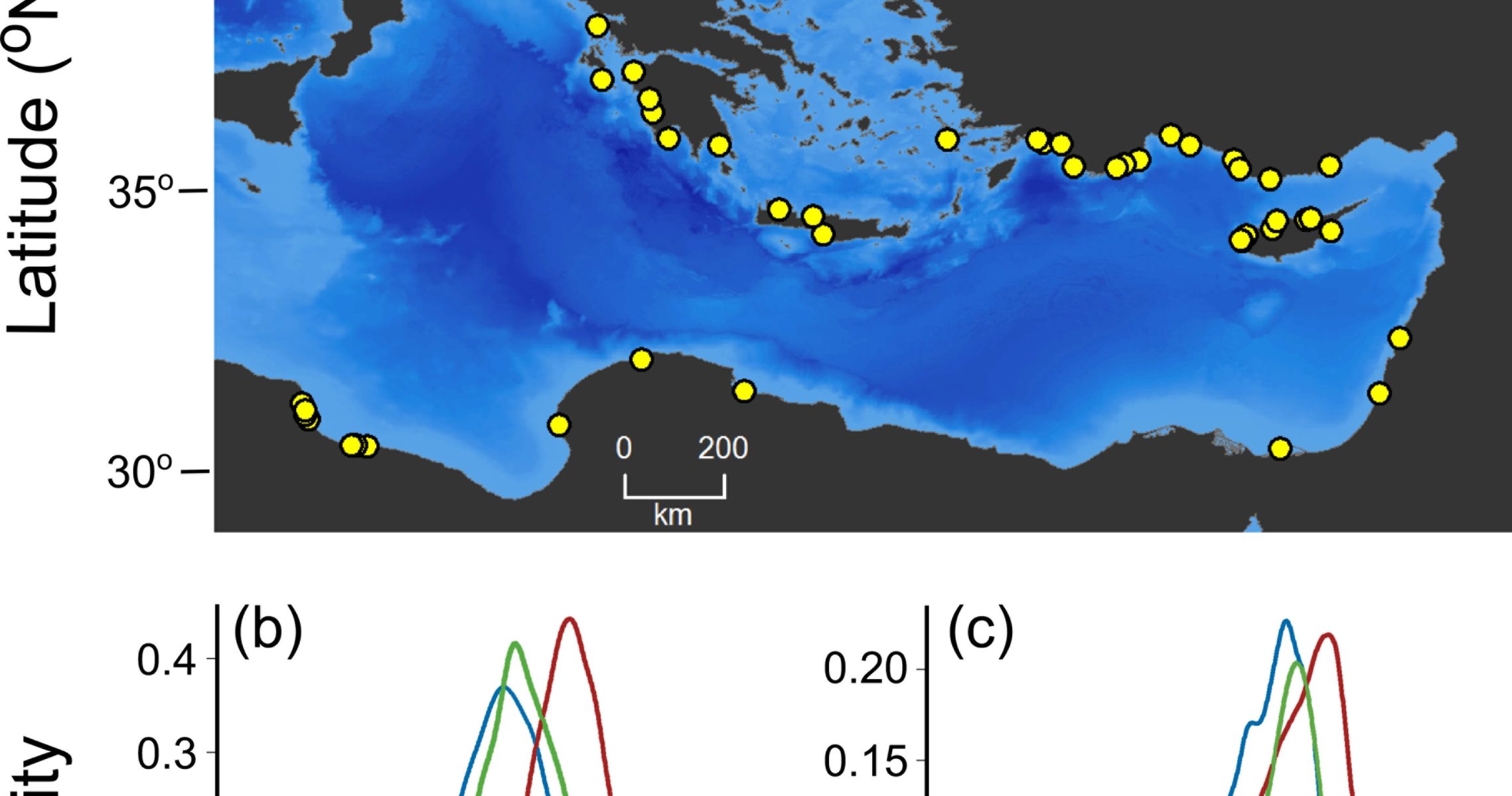
Phenological shifts are widely reported for different species as a response to climate change but the efficiency of this mechanism is still questioned. In this new study, published in Mitigation and Adaptation Strategies for Global Change, we showed that phenological shifts in sea turtles nesting season could serve as a valuable adaptive strategy as they offer the opportunity to capture an optimal thermal window during incubation period, providing some encouraging messages for their adaptive capacity to climate change, regarding the window of reproduction.

read more: https://doi.org/10.1007/s11027-017-9777-5